


Preconstruction Versus Resale Island Property

A clear turquoise bay can make every island residence look like an easy decision. It is not. The choice between preconstruction versus resale island property determines how you enter the market, how much control you have over the finished home, when you can use it, and how the asset may fit into a wider wealth and lifestyle strategy.
For a buyer considering Exuma, the right answer is rarely about choosing what is simply newer or immediately available. It is about matching the property to your intended holding period, personal use, income objectives, and appetite for a purchase that is built around the future rather than the past.
Preconstruction Versus Resale Island Property in Exuma
A resale residence is a completed property with an established physical presence. You can walk through the rooms, inspect the views at different times of day, understand the surrounding neighborhood, and close on a relatively defined timeline. For buyers who want to arrive in Exuma soon, that certainty has real appeal.
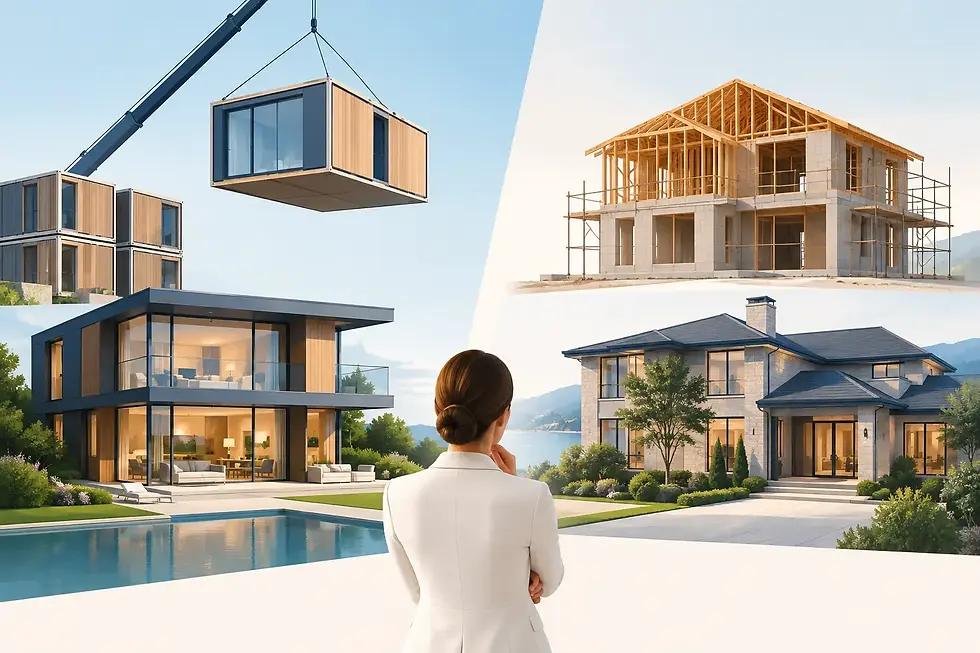
Preconstruction offers a different proposition. Rather than purchasing solely what an existing owner has chosen to build and furnish, you secure a position in a new development before completion. In the right project, that can mean contemporary design, more efficient systems, fresh furnishings, premium early selection opportunities, and a residence designed for the expectations of today's luxury traveler.
The distinction matters especially on an island. Construction logistics, access to skilled labor, importing materials, power resilience, water management, and hurricane-conscious building practices all affect the ownership experience. A well-conceived preconstruction development can address these considerations at the design stage, instead of asking a new owner to solve them after closing.
Why Buyers Choose Preconstruction
The strongest case for preconstruction is the ability to buy into a vision at an earlier point in its value cycle. Buyers may have access to preferred layouts, higher-floor or better-view positions, and a price structure that reflects the development stage rather than only the finished product. While appreciation is never guaranteed, entering a limited boutique project before completion can create meaningful upside if demand strengthens as the property comes to life.
New construction also tends to align more naturally with a turnkey, hospitality-oriented ownership model. Affluent buyers do not always want a second home that becomes a renovation schedule, a furniture procurement project, and a maintenance negotiation from thousands of miles away. A furnished new residence can offer immediate design cohesion and a more polished arrival experience once delivered.
At Ocean View Suites Exuma, the appeal is not limited to ocean-facing interiors and five-star suite living. The development approach places emphasis on solar integration, water systems, advanced air filtration, and modular HOLON construction. These are not background details. They speak to comfort, operating resilience, wellness, and the practical realities of owning in a destination where infrastructure should be considered part of luxury.
For investors, newness can also matter in the vacation-rental market. Travelers paying for a premium Exuma stay often look for modern finishes, elevated amenities, dependable climate control, beautiful communal spaces, and the confidence of a professionally presented residence. A new suite within a curated development can be easier to position than an older standalone home that needs continual upgrades to remain competitive.
The Trade-Off: Time and Execution Risk
Preconstruction is not an instant-gratification purchase. You are buying based on plans, specifications, developer credibility, construction milestones, and the legal protections within your purchase agreement. Delivery schedules can shift, particularly in island environments where weather, shipping, and permitting can influence progress.
This does not make preconstruction less compelling. It makes due diligence more important. Buyers should understand the development team, the construction method, the deposit schedule, what is included in the furnishing package, projected operating arrangements, and the conditions governing completion. Ask precise questions about view corridors, amenity delivery, parking, ownership costs, rental participation, and what happens if specifications change.
The best preconstruction purchase feels aspirational, but it should also be documented with discipline.
The Resale Advantage: See Exactly What You Own
Resale property earns its place because it provides immediate evidence. You can assess the condition of the residence, test the drive from the airport, hear the atmosphere around the home, and see how the property functions in real life. If it has a rental history, you may be able to review actual performance rather than relying only on market projections.
A resale home may also offer a faster route to personal use. Buyers who want to establish an island base for the coming season, host family soon, or relocate without a construction wait may value this speed above all else. In a market with limited inventory, a distinctive established property can be difficult to replace.
There can be opportunities to acquire mature landscaping, a larger homesite, or a location that could not be replicated under current development patterns. A resale property with a proven ocean view, private dock access, or years of goodwill with repeat guests can be a highly attractive acquisition.
The Trade-Off: What You Cannot See at First Glance
A residence can be beautiful and still carry deferred costs. Salt air, humidity, strong sun, storms, plumbing systems, roofs, generators, pools, and exterior finishes require careful attention in a Caribbean setting. The home may need improvements before it meets your standard for personal use or luxury rental positioning.
Older properties can also have less efficient systems and a less integrated approach to water, energy, air quality, and maintenance. That does not mean resale is a poor investment. It means the purchase price should be evaluated alongside the capital you may need to commit after closing.
A rental history deserves context as well. Past bookings are useful, but they do not guarantee future income. Consider the condition of the furnishings, management fees, guest reviews, seasonal patterns, maintenance reserves, and whether the home competes effectively with newer inventory entering the market.
Which Purchase Better Supports Your Goals?
For a buyer seeking a personal retreat first, resale may be the stronger fit when immediate occupancy and a known setting are nonnegotiable. You can make a decision based on the actual home, actual view, and actual surroundings, then begin creating family traditions in Exuma without waiting for a construction timeline.
For a buyer focused on long-term positioning, design quality, and a refined owner experience, preconstruction may be more compelling. A limited collection of furnished suites can offer a more accessible path into a managed luxury setting than building a custom home from the ground up. It can also reduce the friction of furnishing, staffing, and preparing the residence for guests.
For the hybrid buyer - someone who wants personal escapes, potential vacation-rental income, and an international real estate allocation - the question becomes more strategic. Look beyond the bedroom count and ask whether the property was designed to perform in all three roles. A residence should feel private enough for you, polished enough for guests, and efficient enough to support sensible ownership over time.
Look Beyond the Purchase Price
The smartest island-property decisions are built on total cost of ownership. With either preconstruction or resale, account for legal fees, closing expenses, insurance, property management, maintenance, utilities, furnishing requirements, reserve funding, and travel. If rental income is part of your plan, model conservative occupancy and expenses rather than treating promotional projections as certainty.
Bahamian ownership can be attractive to international buyers because of the jurisdiction's favorable tax environment and its role in broader asset diversification. Individual circumstances vary, however, especially for US taxpayers and buyers with cross-border holdings. Obtain advice from qualified Bahamian and US legal, tax, and financial professionals before structuring a purchase or relying on any tax outcome.
It is also worth considering liquidity. A rare, well-located island asset can be desirable, but real estate is not a liquid investment. Choose a property you would be pleased to hold through changing market conditions, not one that depends on a short-term exit to justify the decision.
A Better Way to Make the Decision
Begin with your nonnegotiables: whether you need immediate use, whether you want a fully managed experience, how often you expect to visit, and how much renovation or operational complexity you are willing to take on. Then compare individual opportunities on their own merits rather than assuming either category always wins.
Inspect resale homes with a specialist who understands island construction. For preconstruction, study the developer's track record, agreements, engineering approach, delivery schedule, and ownership framework. In both cases, confirm title, permissions, insurance availability, rental rules, and the practical standards that protect your enjoyment of the residence.
The right Exuma property should do more than photograph beautifully. It should give you a confident place to arrive, a distinctive piece of paradise to share, and an ownership strategy that still feels intelligent long after the first sunset from your terrace.


Comments